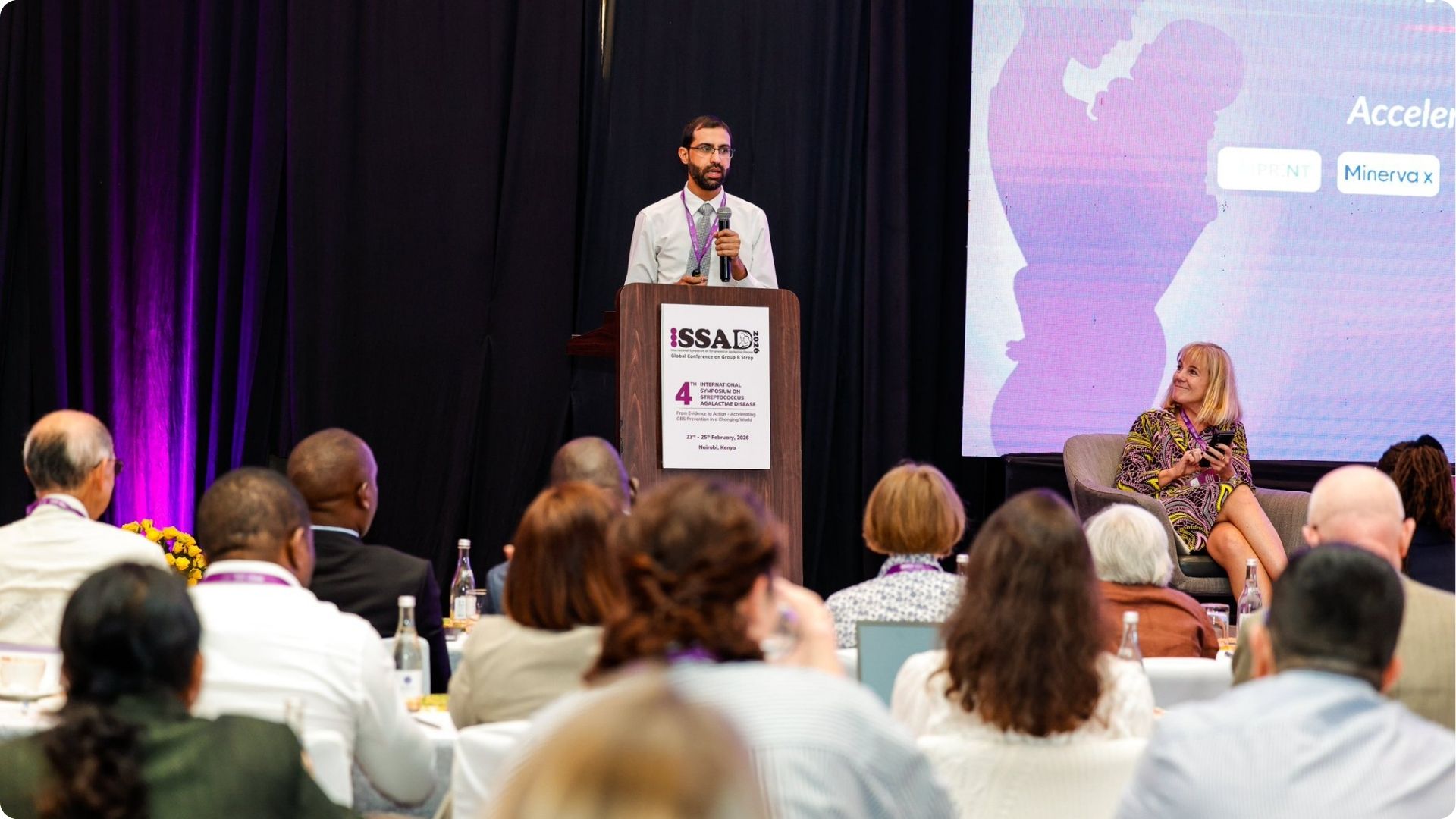
Nairobi has taken center stage in the global health arena following the official opening of the 4th International Symposium on Streptococcus agalactiae Disease (ISSAD2026) at the Hyatt Regency in Westlands.
The three-day conference, running from February 23 to 25, marks a historic milestone as the first ISSAD meeting to be hosted in East Africa. The symposium is jointly organized by the Kenya Medical Research Institute (KEMRI) and the Liverpool School of Tropical Medicine (LSTM), bringing together scientists, clinicians, policymakers, and public health experts from more than 40 countries.
The summit aims to accelerate global efforts to prevent Group B Streptococcus (GBS) infections and improve maternal and newborn health outcomes.GBS, scientifically known as Streptococcus agalactiae, remains a major yet often under-recognized cause of severe infections worldwide. It is a leading cause of neonatal sepsis, meningitis, and pneumonia in newborns, as well as postpartum infections and infant mortality.
The Global Burden of GBS
According to data shared by keynote speakers at the conference, between 18 and 20 million people globally carry GBS — including approximately one in five pregnant women.
An estimated 400,000 cases of invasive infant disease are recorded annually, contributing to about 91,000 infant deaths and 46,200 stillbirths each year. Despite the heavy toll, there is currently no licensed vaccine for GBS.
Prevention largely depends on administering antibiotics during labour, a strategy that remains difficult to implement consistently in resource-limited settings.
Speaking to Mauvoo News on the sidelines of the conference, Prof. Anne Beatrice Kihara, a gynecologist and president of the Federation of Obstetricians and Gynaecologists, said Kenya is intensifying efforts to reduce maternal and newborn mortality.
“Kenya is currently focused on reducing maternal and newborn mortality rates. We must unite our efforts. Midwives, gynecologists, pediatricians, and physicians must collaborate to tackle the challenges we encounter during pregnancy,” she said.
Government Commitment
The summit, themed “From Evidence to Action: Accelerating GBS Prevention in a Changing World,” received a boost from Health Cabinet Secretary Aden Duale, who earlier on Monday presided over the inauguration of the National Maternal and Perinatal Death Surveillance and Response (MPDSR) Steering Committee.
The move signals renewed government commitment to reducing preventable maternal and newborn deaths. The initiative is anchored within Kenya’s Universal Health Coverage agenda and aligns with the national pledge that no woman should die while giving birth and no newborn should succumb to preventable causes. It will be implemented through the Every Woman Every Newborn Everywhere (EWENE) Acceleration Plan.
Speaking during the inauguration, Duale said the MPDSR framework will be operationalised at the facility, sub-county, and county levels through structured and action-oriented review meetings. Each reported maternal or perinatal death will trigger immediate corrective measures to ensure lessons learned translate into systemic reforms.
He also urged healthcare providers to uphold professionalism, dignity, compassion, and clinical excellence in maternal and newborn care.
As global health leaders continue deliberations in Nairobi, the message from ISSAD2026 is clear: intensified collaboration, equity, and decisive action are critical in the fight against GBS and in safeguarding the lives of millions of mothers and newborns worldwide.